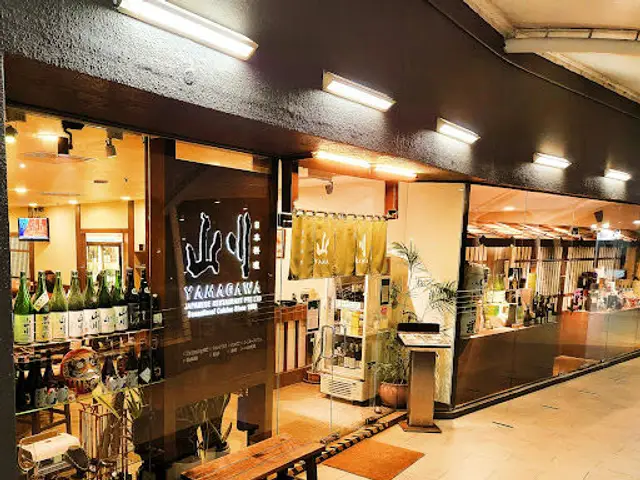
Yamagawa Japanese Restaurant
Kampong Glam
34+ years in business
4 min walk from Nicoll Highway MRT
- SFA licensed
Businesses with the most complete public records first, photos, licence matches, hours and track record. Never ordered by payment.
Kampong Glam
34+ years in business
4 min walk from Nicoll Highway MRT
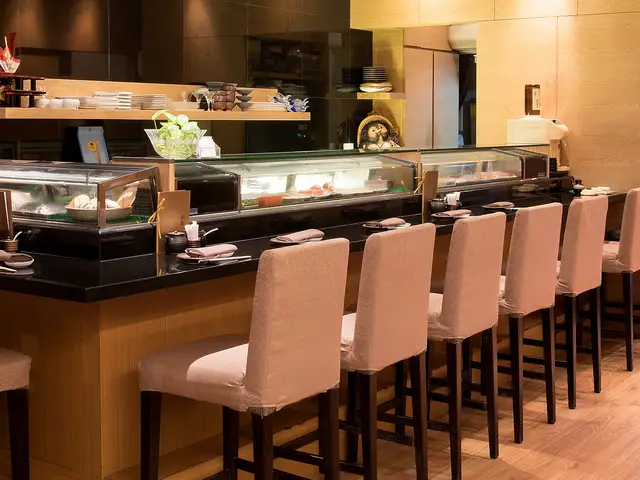
Novena
22+ years in business
3 min walk from Novena MRT
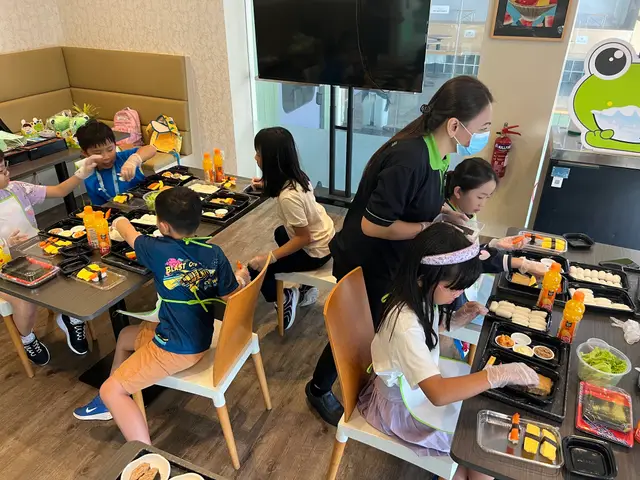
Bishan
29+ years in business
1 min walk from Bishan MRT
Somerset
31+ years in business
3 min walk from Orchard MRT
Serangoon
17+ years in business
1 min walk from Serangoon MRT
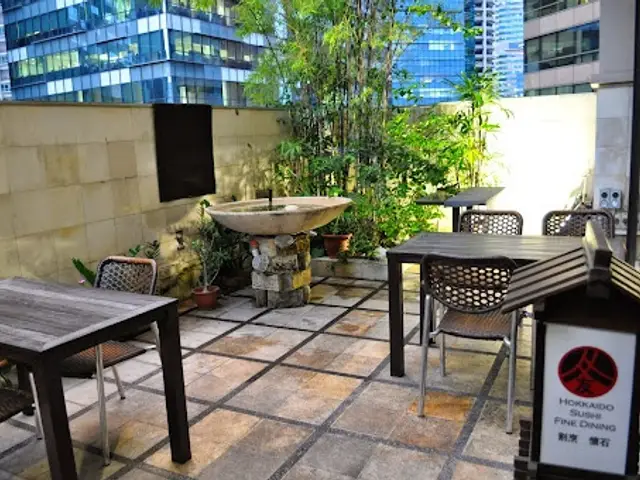
Tanjong Pagar
14+ years in business
1 min walk from Cc32 MRT
Chinatown
13+ years in business
2 min walk from Dt18 MRT
Clarke Quay
13+ years in business
1 min walk from Clarke Quay MRT
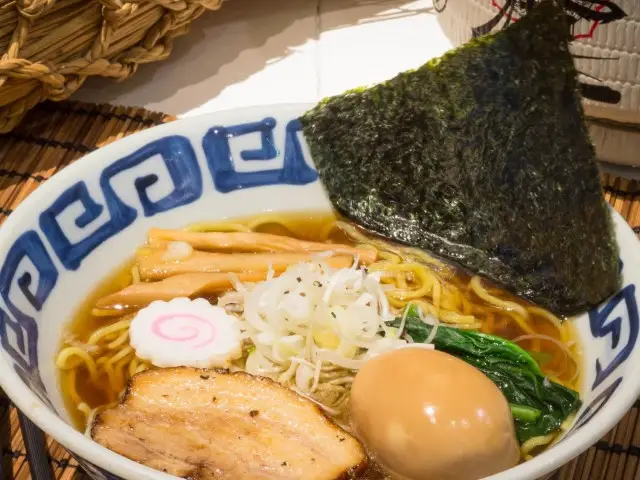
Bugis
15+ years in business
2 min walk from Bugis MRT
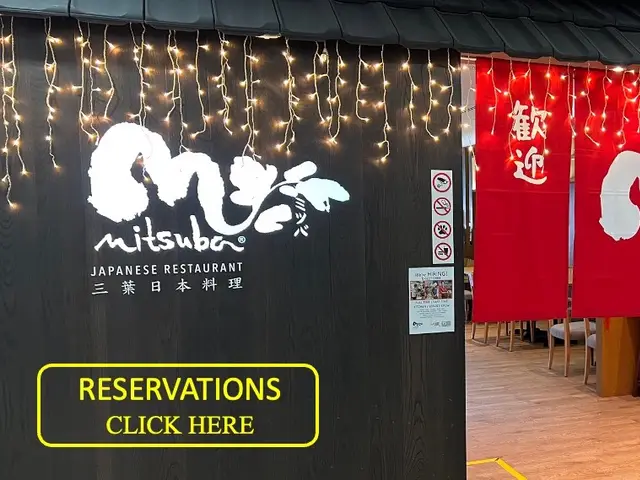
Clarke Quay
12+ years in business
1 min walk from Clarke Quay MRT
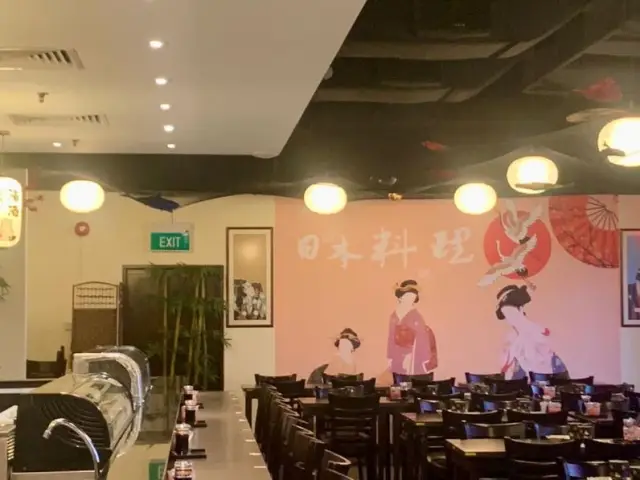
Robertson Quay
Since 2020
4 min walk from Havelock MRT
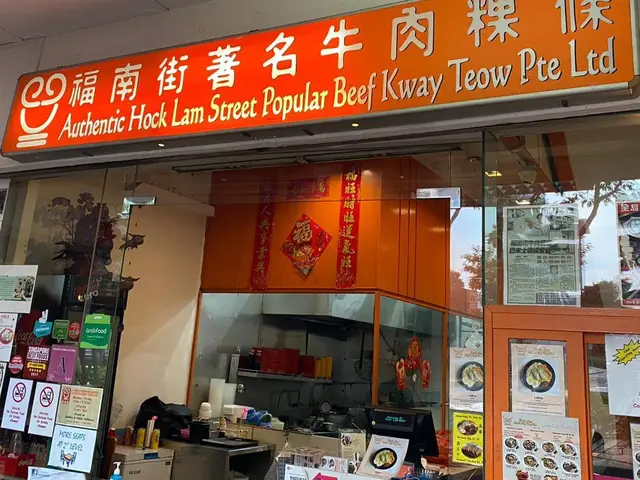
Raffles Place
21+ years in business
4 min walk from Clarke Quay MRT
Ordered by verifiable signals, licence matches, track record and completeness of public records. Featured placements are labelled and never change this order.
Show all 1,951Location, MRT walk, years in business, licence and published hours, facts from public records.
| Business | Area | MRT | In business | Licence |
|---|---|---|---|---|
| Yamagawa Japanese Restaurant | Kampong Glam | 4 min · Nicoll Highway | 34 yrs | SFA licensed |
| Nara Japanese Restaurant | Novena | 3 min · Novena | 22 yrs | SFA licensed |
| Sakae Sushi | Bishan | 1 min · Bishan | 29 yrs | SFA licensed |
| Akashi Japanese Restaurant | Somerset | 3 min · Orchard | 31 yrs | SFA licensed |
| Monster Curry | Serangoon | 1 min · Serangoon | 17 yrs | SFA licensed |
| Hokkaido Sushi | Tanjong Pagar | 1 min · Cc32 | 14 yrs | SFA licensed |
| The Flying Squirrel | Chinatown | 2 min · Dt18 | 13 yrs | SFA licensed |
| Shinzo Japanese Cuisine | Clarke Quay | 1 min · Clarke Quay | 13 yrs | SFA licensed |
Food Shop Licence (SFA)
Singapore Food Agency (SFA) · Required by law
Every restaurant, cafe, bakery, stall and food court outlet selling food to the public must be licensed by SFA. Since 19 Jan 2026 the licence carries a SAFE grade (A, B, C or NEW) based on the outlet's food-safety track record; scan the QR code on the displayed licence to see it.
Check the official registerLiquor Licence
Singapore Police Force (Police Licensing & Regulatory Department) · Required by law
Any outlet selling alcohol for consumption on or off the premises needs a liquor licence, which sets its permitted supply hours. Sale to anyone under 18 is an offence for the licensee.
Check the official registerFrom 19 January 2026 SFA replaced the annual A–D hygiene grade with the SAFE framework. Outlets now get A (more than three years with no major lapse), B (one to three years), NEW (operating under a year) or C (a court conviction for a food-safety offence or a licence suspension under the demerit-points system). Scan the QR code on the SFA licence at the counter to see the current grade.
"++" means a 10% service charge and 9% GST will be added. GST is charged on the service charge too, so the multiplier is 1.1 × 1.09 = 1.199 – a $50++ meal costs about $59.95. IRAS lets restaurants that levy a service charge show pre-GST prices, but they must state prominently that prices are subject to GST and service charge.
Not by default. Japanese cooking often uses mirin, sake and other alcohol-based seasonings. Some Japanese restaurants hold MUIS halal certification – check the exact outlet on the MUIS directory or MuslimSG app and look for the original certificate on display.
Lookup lists 1,951 Japanese restaurants in Singapore as of October 2026, with the largest concentration in Downtown Core (298). Listings are compiled from government registers and open map data and refreshed regularly.